
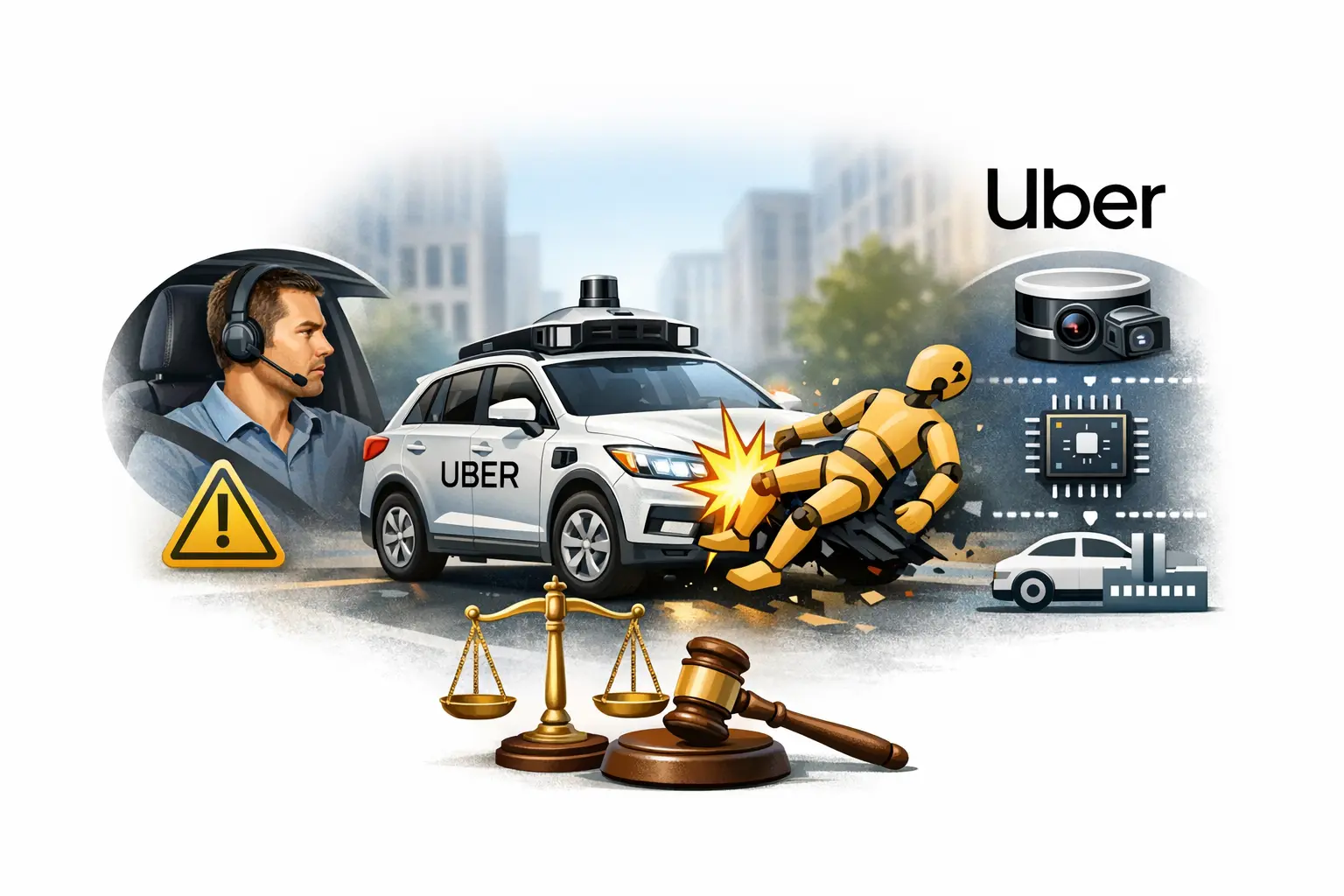
Self-driving cars are no longer something we only see in movies. They are already operating on public streets, transporting passengers, and interacting with everyday traffic. Uber is one of the companies leading this shift toward autonomous transportation. However, as new technology enters real-world environments, accidents can happen. When they do, one major question arises: who is legally responsible when an Uber autonomous vehicle crashes, especially if a backup driver is present?
This issue is far from simple. The involvement of advanced software, human safety drivers, and corporate oversight creates a legal gray area. In this guide, we’ll explain Uber autonomous backup driver accident legal responsibility in plain language—without complicated legal terms—so you can clearly understand how fault is determined and what it means for everyone involved.
How Uber’s Autonomous Vehicles Operate
Before discussing liability, it’s important to understand how Uber’s self-driving system functions.
What Is a Backup (Safety) Driver?
Even though the vehicle operates autonomously, Uber places a trained human behind the wheel. This person is commonly called a backup driver or safety driver, and their responsibilities include:
- Watching the road at all times
- Monitoring the vehicle’s behavior
- Taking control immediately if the system fails
- Following strict safety guidelines
A useful comparison is an airplane flying on autopilot. The technology does most of the work, but a pilot remains in the cockpit to step in if needed.
Why Backup Drivers Are Necessary
Autonomous driving systems are still evolving. Unexpected road conditions, pedestrians, cyclists, construction zones, or poor weather can confuse even the most advanced software. The backup driver exists as a final layer of protection if the system makes a mistake or hesitates.
This shared control between human and machine is what makes legal responsibility so complicated.
What Happens After an Autonomous Vehicle Crash?
When an accident involves an Uber self-driving vehicle, investigators don’t immediately assign blame to one party. Instead, they analyze multiple factors.
Common Questions Investigators Examine
- Was the car operating in autonomous mode at the time?
- Did the backup driver react appropriately?
- Did the vehicle’s system fail to identify a hazard?
- Were traffic laws followed by all parties involved?
Each answer points toward a different source of responsibility. That’s why Uber autonomous backup driver accident legal responsibility cases are rarely straightforward.
The Backup Driver’s Role in Determining Fault
Although the car is self-driving, the human behind the wheel still matters legally.
Can the Backup Driver Be Held Responsible?
Yes, in certain situations.
A backup driver may be considered legally at fault if evidence shows they:
- Were distracted or not paying attention
- Failed to intervene when required
- Ignored established safety procedures
For instance, if a safety driver is checking their phone while the vehicle approaches a dangerous situation and fails to act in time, that inaction could lead to personal liability.
Employee vs. Independent Contractor Status
Another important factor is the driver’s working relationship with Uber.
- If the driver is an Uber employee, the company may share responsibility
- If the driver is classified as a contractor, Uber may argue for reduced liability
Courts often review employment contracts carefully to determine who is legally accountable.
Uber’s Responsibility as a Company
Uber cannot automatically avoid blame just because a human driver was present.
Liability for System or Software Failures
If an investigation reveals that the autonomous system:
- Misinterpreted road conditions
- Failed to detect pedestrians or vehicles
- Made unsafe driving decisions
Uber may face product liability claims, similar to lawsuits involving defective consumer products.
Training and Safety Oversight
Courts also consider whether Uber:
- Properly trained its backup drivers
- Provided clear safety instructions
- Enforced its own operational policies
If training or supervision is found to be inadequate, legal responsibility may shift more heavily toward the company.
The Role of Vehicle and Technology Manufacturers
Uber often works with outside companies that provide hardware and software components.
When Third Parties Share Responsibility
Autonomous vehicles rely on complex systems developed by multiple vendors. If a crash is linked to defective components such as:
- Braking mechanisms
- Steering systems
- Sensors or lidar technology
Then manufacturers or software developers may also be held partially responsible. These cases often involve multiple defendants.
How Accident Victims Are Impacted
For people injured in autonomous vehicle crashes, the legal process can feel overwhelming.
Who Can File a Lawsuit?
Depending on the circumstances, victims may pursue claims against:
- The backup driver
- Uber
- Technology providers
- Vehicle manufacturers
Attorneys frequently include multiple parties in a single lawsuit to ensure fair compensation.
Types of Compensation Available
Injured individuals may seek damages for:
- Medical expenses
- Lost wages
- Pain and emotional suffering
- Long-term or permanent disabilities
Understanding Uber autonomous backup driver accident legal responsibility helps victims identify where they can seek justice.
Why Fault Isn’t Always Clear: A Realistic Scenario
Consider this example:
An Uber autonomous vehicle is driving at night. A pedestrian crosses the street outside a designated crosswalk. The vehicle’s system detects movement but delays braking. The backup driver reacts too late.
Who is responsible?
- The pedestrian for crossing improperly?
- The vehicle’s software for delayed recognition?
- The backup driver for slow intervention?
- Uber for system design or insufficient training?
In many cases, responsibility is shared among several parties.
How the Law Is Adapting to Autonomous Technology
Technology is advancing faster than existing legal frameworks.
Legal Gray Areas
Most traffic laws were written with human drivers in mind. Autonomous systems challenge those assumptions and raise difficult questions, such as:
- Can software be legally negligent?
- Is the backup driver always considered the primary driver?
- Should autonomous vehicles require special insurance rules?
These issues sit at the heart of ongoing debates about responsibility.
Differences Across States
U.S. laws vary widely by state. Some states emphasize human driver accountability, while others place more responsibility on the company operating the vehicle. As a result, legal outcomes can differ depending on where the accident occurs.
Insurance and Autonomous Vehicle Accidents
Insurance coverage is a key factor in resolving claims.
Uber’s Commercial Insurance
Uber generally carries commercial insurance for autonomous vehicle operations, which may cover:
- Injuries to third parties
- Property damage
- Passenger claims
However, insurers still conduct fault investigations before issuing payments.
Backup Driver’s Personal Insurance
If a backup driver is found negligent, their personal auto insurance may also become relevant, adding another layer to liability considerations.
How Courts Determine Responsibility
Modern cases rely heavily on technology.
Vehicle Data as Evidence
Autonomous vehicles record extensive data, including:
- Speed and braking
- Sensor readings
- System alerts
- Driver actions
This information allows investigators to reconstruct events with high accuracy. Unlike human testimony, digital data provides precise timelines that often determine legal outcomes.
What This Means for the Future of Self-Driving Cars
Every autonomous vehicle accident shapes future regulations.
Increased Pressure on Companies
Lawsuits push companies like Uber to:
- Improve system reliability
- Strengthen driver training
- Clearly define responsibility
Over time, this can lead to safer roads and fewer disputes.
Building Public Confidence
Clear rules around responsibility help the public trust autonomous technology. Transparency is essential for widespread acceptance.
Practical Advice for Passengers and the Public
You don’t need legal expertise to protect yourself.
If You’re a Passenger
- Ask whether the vehicle is operating autonomously
- Pay attention to safety guidance
- Report concerns through Uber’s platform
If You’re Involved in an Accident
- Get medical help immediately
- Document the scene if possible
- Speak with a qualified legal professional
Being informed makes a real difference.
Also Read About
Walmart Anti-Money Laundering CBL Explained: An Easy-to-Understand Guide
Conclusion
Autonomous vehicles have the potential to transform transportation, but accidents still happen—and determining fault is rarely simple.
Uber autonomous backup driver accident legal responsibility depends on a combination of human behavior, system performance, corporate policies, and state laws. Sometimes the backup driver is at fault. In other cases, Uber or its technology partners may share responsibility. Often, liability is divided among multiple parties.
As self-driving technology continues to evolve, legal systems will adapt alongside it. Until then, understanding how responsibility is assessed helps drivers, passengers, and pedestrians navigate this changing landscape with greater clarity and confidence.
The future of transportation is arriving fast. Knowing who is accountable when things go wrong is essential for moving forward safely.
