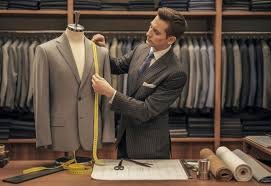
The Ultimate Guide to Custom Tailored Suits (2026 Edition)
A custom tailored suit represents the pinnacle of men’s style, craftsmanship, and personal expression. While ready-to-wear clothing dominates much of the fashion industry, custom tailoring continues to thrive among professionals, executives, entrepreneurs, and style-conscious individuals who value exceptional fit and superior quality.
In 2026, the demand for custom tailored suits continues to grow as more men embrace investment dressing and seek clothing that reflects their individuality. A well-tailored suit enhances confidence, improves comfort, and creates a polished appearance that cannot easily be replicated by off-the-rack garments.
Whether you’re purchasing your first custom suit or considering upgrading your wardrobe with bespoke tailoring, this ultimate guide will explain everything you need to know about custom tailored suits, including fit, fabrics, tailoring methods, costs, benefits, and leading luxury brands.
What Is a Custom Tailored Suit?
A custom tailored suit is a garment designed and adjusted specifically for the wearer rather than being mass-produced according to standard sizing.
Custom tailoring generally falls into three categories:
Ready-to-Wear (RTW)
Produced in standard sizes.
Benefits:
- Lower cost
- Immediate availability
Limitations:
- Generic fit
- Limited customization
Made-to-Measure (MTM)
Built from an existing pattern that is modified according to individual measurements.
Benefits:
- Better fit
- More customization
- Lower cost than bespoke
Bespoke Tailoring
The highest level of tailoring.
Features:
- Individually drafted patterns
- Multiple fittings
- Extensive handwork
- Maximum personalization
Bespoke tailoring remains the gold standard of luxury menswear.
Why Invest in a Custom Tailored Suit?
Many men wonder whether custom tailoring is worth the investment.
The answer depends on your priorities, but the advantages are substantial.
Superior Fit
Fit is the most important factor in menswear.
A custom suit:
- Follows body proportions
- Improves posture
- Enhances appearance
- Increases comfort
Even expensive ready-to-wear suits often cannot match a properly tailored custom garment.
Personal Style
Custom tailoring allows complete control over:
- Fabric selection
- Lapel design
- Buttons
- Linings
- Pockets
- Trousers
Every detail can reflect personal preferences.
Better Comfort
Custom garments accommodate:
- Body shape
- Shoulder position
- Posture
- Movement patterns
The result is significantly improved comfort throughout the day.
Long-Term Value
Although initial costs are higher, custom suits often provide superior value through:
- Better durability
- Longer lifespan
- Greater satisfaction
Many professionals wear custom suits for years or even decades.
Understanding Bespoke vs Made-to-Measure
Many consumers confuse these terms.
Bespoke
Characteristics:
- Hand-drafted pattern
- Multiple fittings
- Extensive handwork
- Maximum customization
Best for:
- Luxury enthusiasts
- Professionals
- Collectors
Made-to-Measure
Characteristics:
- Existing pattern adjusted
- Fewer fittings
- Faster production
Best for:
- First-time buyers
- Budget-conscious professionals
Both options offer advantages depending on goals and budget.
The Custom Tailoring Process
Understanding the process helps buyers make informed decisions.
Step 1: Consultation
The tailoring journey begins with a consultation.
Topics include:
- Lifestyle
- Usage requirements
- Personal preferences
- Budget
The tailor helps guide fabric and design decisions.
Step 2: Measurements
Accurate measurements are essential.
Typical measurements include:
- Chest
- Waist
- Seat
- Shoulders
- Sleeves
- Inseam
Professional tailors often take dozens of measurements.
Step 3: Fabric Selection
Fabric significantly affects comfort, appearance, and durability.
Popular choices include:
Wool
The most versatile option.
Suitable for:
- Business wear
- Formal occasions
- Year-round use
Cashmere
Known for:
- Softness
- Luxury appeal
- Warmth
Wool-Silk Blends
Offer:
- Elegant drape
- Sophisticated texture
Linen
Perfect for:
- Summer wear
- Warm climates
Step 4: Style Customization
Clients select numerous design elements.
Lapels
Options include:
- Notch lapel
- Peak lapel
- Shawl lapel
Pockets
Choices include:
- Flap pockets
- Jetted pockets
- Patch pockets
Buttons
Options:
- Two-button
- Three-button
- Double-breasted
Step 5: Fittings
Bespoke tailoring often involves:
- First fitting
- Intermediate fitting
- Final fitting
Adjustments ensure optimal fit and balance.
Step 6: Final Delivery
After refinements, the completed suit is delivered.
A quality bespoke suit often requires several weeks or months.
Choosing the Right Fabric
Fabric selection influences every aspect of the finished garment.
Wool
The most practical choice.
Advantages:
- Breathability
- Durability
- Versatility
Recommended for most buyers.
Cashmere
Benefits:
- Soft texture
- Luxurious feel
Best for:
- Jackets
- Winter garments
Linen
Advantages:
- Lightweight
- Breathable
Ideal for summer tailoring.
Mohair
Known for:
- Crisp appearance
- Wrinkle resistance
Popular in business tailoring.
Essential Suit Styles
Every man should consider several core styles.
Navy Suit
The foundation of a premium wardrobe.
Suitable for:
- Business
- Weddings
- Formal events
Charcoal Suit
Professional and authoritative.
Excellent for:
- Executive environments
- Formal business meetings
Gray Suit
Offers versatility and sophistication.
Works across many settings.
Double-Breasted Suit
Provides:
- Strong visual presence
- Timeless elegance
Increasingly popular in luxury menswear.
Fit Fundamentals
A custom suit should achieve balance and comfort.
Shoulders
The most important fit area.
Should align naturally without excess padding.
Chest
Should provide comfort without pulling.
Waist
A slight taper creates a flattering silhouette.
Sleeves
Expose approximately half an inch of shirt cuff.
Trousers
Should drape cleanly without excessive bunching.
Italian vs British Tailoring
Two major tailoring traditions dominate luxury menswear.
Italian Tailoring
Characteristics:
- Soft construction
- Lightweight fabrics
- Natural shoulders
Popular brands:
- Kiton
- Canali
- Zegna
- Brioni
British Tailoring
Characteristics:
- Structured shoulders
- Formal silhouette
- Heavier fabrics
Popular tailoring houses:
- Huntsman
- Henry Poole
- Gieves & Hawkes
Both traditions offer exceptional quality.
Best Luxury Tailoring Brands
Zegna
Official Website:
https://www.zegna.com
Known for:
- Modern tailoring
- Innovative fabrics
- Executive style
Canali
Official Website:
https://www.canali.com
Strengths:
- Italian craftsmanship
- Business elegance
Kiton
Official Website:
https://www.kiton.com
Renowned for:
- Handmade construction
- Luxury fabrics
Brioni
Official Website:
https://www.brioni.com
Known for:
- Formal tailoring
- Bespoke expertise
Brunello Cucinelli
Official Website:
https://www.brunellocucinelli.com
Specializes in:
- Quiet luxury
- Sophisticated tailoring
Huntsman
Official Website:
https://www.huntsmansavilerow.com
Represents classic British tailoring excellence.
How Much Does a Custom Suit Cost?
Pricing varies significantly.
Made-to-Measure
Typical range:
$800–$3,000
Luxury Made-to-Measure
Typical range:
$3,000–$7,000
Bespoke Tailoring
Typical range:
$5,000–$50,000+
Depends on:
- Fabric
- Tailor
- Construction
- Brand prestige
Caring for a Custom Suit
Proper maintenance extends lifespan.
Use Proper Hangers
Preserves jacket structure.
Brush Regularly
Removes dust and debris.
Avoid Excessive Dry Cleaning
Over-cleaning can damage fabrics.
Rotate Suits
Avoid wearing the same suit daily.
Store Correctly
Use garment bags when necessary.
Common Mistakes to Avoid
Prioritizing Brand Over Fit
Fit remains the most important factor.
Choosing Trendy Styles
Classic designs provide better long-term value.
Ignoring Fabric Quality
Superior fabrics dramatically affect performance.
Buying Too Many Suits Too Quickly
Focus on foundational garments first.
Neglecting Alterations
Even custom garments may require minor refinements.
Internal Linking Opportunities
Link this article to:
- Premium Business Suits for Modern Professionals
- How to Choose a Luxury Suit for Formal Events
- Italian Tailoring vs British Tailoring
- Best Italian Luxury Menswear Brands in 2026
- Top Designer Blazers Every Man Should Own
- How to Build a Premium Men’s Wardrobe
- Best Luxury Dress Shoes for Business Professionals
- Top Luxury Fashion Brands Worth Investing In
External Resources
- https://www.zegna.com
- https://www.canali.com
- https://www.kiton.com
- https://www.brioni.com
- https://www.brunellocucinelli.com
- https://www.huntsmansavilerow.com
- https://www.henrypoole.com
- https://www.gievesandhawkes.com
- https://www.savilerowbespoke.com
- https://www.gq.com
Conclusion
A custom tailored suit remains one of the most valuable investments a man can make in his wardrobe. Beyond aesthetics, custom tailoring delivers superior fit, enhanced comfort, personal expression, and long-term value. Whether choosing made-to-measure or bespoke tailoring, the experience allows individuals to create garments uniquely suited to their lifestyle, body type, and professional needs.
As luxury menswear continues moving toward craftsmanship, personalization, and investment dressing, custom tailored suits remain at the heart of modern style. By focusing on fit, fabric quality, timeless design, and skilled tailoring, men can build wardrobes that project confidence, professionalism, and sophistication for years to come.