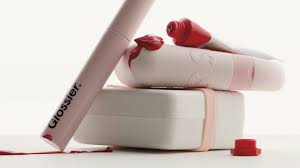
How Glossier Changed the Beauty Industry Forever
Glossier didn’t just launch another makeup line — it reshaped the way beauty brands think about products, marketing, and customer engagement. What began as a beauty blog evolved into one of the most influential beauty companies of the past decade, changing industry norms around consumer involvement, digital commerce, aesthetics, and brand community.()
In this article, we’ll explore the major ways Glossier permanently altered the beauty landscape.
🧠 1. From Blog to Beauty Brand: A New Origin Story
Glossier’s founder, Emily Weiss, didn’t start out pitching lipstick formulas — she started with a blog. In 2010 she launched Into The Gloss, a site that featured real beauty routines, honest reviews, and content driven by reader voices. The blog built a massive, engaged audience before there was ever a product to sell.()
When Glossier launched in 2014 with just four minimalist products, it didn’t follow traditional beauty marketing — it launched to an existing community that already trusted and followed the brand. That was a radical shift in how beauty brands were built and scaled.()
📱 2. Digital‑First, Social‑First Beauty
Long before TikTok became synonymous with beauty trends, Glossier was already innovating in the digital space:
- Instagram aesthetics: Glossier’s minimalist look — soft pinks, clean visuals, and unretouched imagery — became iconic and highly shareable online.()
- User‑generated content: Rather than polished celebrity ads, Glossier spotlighted real people using its products — followers became brand advocates.()
- Content‑driven sales: Instead of traditional advertising campaigns, Glossier invested in content, community, and organic engagement that turned likes and comments into real purchases.()
This digital marketing strategy became a blueprint for countless newer beauty brands — social presence first, product sales second — long before social commerce was mainstream.
👥 3. Consumer‑Driven Product Development
Before Glossier, most beauty companies developed products behind the scenes and marketed them after launch. Glossier flipped that model by:
- Asking followers what they wanted
- Soliciting feedback on product ideas
- Incorporating real user opinions into development
This two‑way conversation made customers feel heard and invested — effectively turning them into partners in product creation.()
This approach inspired other brands to include audience insights earlier in product design, rather than trying to dictate what consumers should want.
💰 4. A New Direct‑to‑Consumer Playbook
When Glossier launched as online‑only — bypassing traditional department stores — many in the industry questioned whether people would buy beauty products sight unseen. The gamble paid off.
Rather than relying on physical shelves or huge ad dollars, Glossier focused on:
- Direct relationships with customers
- First‑party data about preferences and feedback
- Agile online experiences
This direct‑to‑consumer (DTC) model gave Glossier full control over customer data, pricing, loyalty, and messaging, inspiring wave after wave of DTC beauty startups.()
💄 5. Redefining the “No‑Makeup” Aesthetic
Glossier helped popularize an aesthetic that emphasized natural, skin‑first beauty instead of heavy makeup:
- Lightweight formulas
- Minimalist packaging
- Enhancing natural features rather than masking them
This “no‑makeup makeup” look wasn’t just a trend — it became a cultural shift in how people think about beauty and self‑expression, influencing both indie and legacy brands.()
🎁 6. Packaging and Unboxing as Experience
Glossier understood early that packaging mattered as much as the product.
- Orders shipped in pink bubble‑wrap pouches
- Every package included fun extras like branded stickers
- The unboxing experience felt shareable and delightful
This turned buying beauty products into something Instagrammable — which drove even more organic social buzz.
📈 7. A Model for Modern Beauty Startups
By the late 2010s, brands across the beauty world began adopting elements of Glossier’s playbook:
- Influencer and community marketing
- Social‑first product launches
- Minimalist “clean girl” aesthetics
- Direct involvement of customers in product conversations
Even companies outside of beauty — in fashion, wellness, and lifestyle — borrowed parts of Glossier’s strategy, proving the influence went well beyond makeup.()
🔄 8. Legacy Meets Reality: Influence vs Market Evolution
While Glossier’s impact is undeniable, it’s also clear that the beauty market has evolved since its launch:
- Many brands now replicate its core ideas (community, minimalism, digital focus)
- Competition has increased, especially among Gen Z‑oriented brands
- Some customers and observers feel Glossier’s peak cultural relevance has shifted over time — illustrating both how much it set trends and how quickly beauty trends evolve.()
In fact, the strategies that once made Glossier stand out — digital engagement, community‑led design, and social sharing — are now considered mainstream expectations for beauty brands worldwide.
🏁 Final Thoughts
Glossier didn’t just launch another makeup brand — it rewrote the rulebook for what a beauty company could be:
- Community‑first instead of product‑first
- Digital engagement over traditional ads
- Minimalist, skin‑focused aesthetics over heavy glam
- Direct relationships with customers instead of third‑party retailers
Its influence is everywhere — in the way beauty brands launch products, build communities, and tell stories today. Whether Glossier continues evolving or inspires the next wave of innovation, it has already left a permanent mark on the industry that will be felt for years to come.