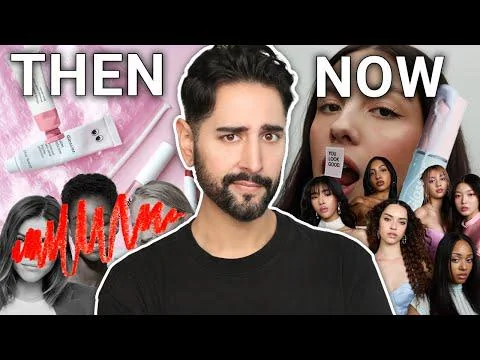
💄 Why Glossier Became So Popular Among Millennials and Gen Z
1. Social Media-First Brand
Glossier was built in the digital age, leveraging Instagram, TikTok, and other platforms from day one. Unlike traditional beauty brands that relied on print ads or in-store promotions, Glossier:
- Featured real people instead of professional models
- Encouraged user-generated content, creating viral buzz
- Shared behind-the-scenes content, making the brand feel authentic and approachable
Impact: Millennials and Gen Z value authenticity over polished marketing, and Glossier delivered it. (en.wikipedia.org)
2. Community-Driven Product Development
Glossier didn’t just sell products—it listened to its audience. Through surveys, blog comments, and social media engagement:
- Customers helped shape product launches
- The brand responded to feedback in real-time
- Users felt part of the creation process
This strategy made Millennials and Gen Z feel seen and valued, fostering loyalty beyond simple purchases. (reddit.com)
3. Minimalist, “Skin-First” Philosophy
At a time when heavy makeup and contouring dominated, Glossier promoted:
- Natural beauty
- Minimal makeup routines
- Enhancing skin rather than masking it
This approach perfectly matched younger consumers’ desire for effortless, real, and healthy beauty. Cloud Paint, Boy Brow, and Balm Dotcom became icons of this movement.
4. Instagram-Worthy Aesthetic
Glossier’s design is instantly recognizable:
- Soft pink packaging
- Clean typography
- Minimalist, lifestyle-focused product imagery
This not only looked good on shelves but also photographed beautifully for Instagram, which is crucial for Gen Z and Millennials who share their daily routines online.
5. Relatable, Conversational Branding
Glossier speaks like a friend, not a corporation. Its marketing is:
- Casual and conversational
- Inclusive and body-positive
- Focused on you instead of selling aggressively
This tone resonates with younger audiences tired of aggressive, unattainable beauty ideals.
6. Direct-to-Consumer Model
Selling primarily online allowed Glossier to:
- Maintain closer customer relationships
- Control pricing and branding
- Adapt quickly to trends and feedback
For Millennials and Gen Z, who are digital natives, online-first shopping feels natural and convenient.
7. Influencer & Peer Recommendations
Instead of relying on traditional celebrity endorsements, Glossier used:
- Micro-influencers and real customers
- Peer-to-peer promotion through social media
- Viral content like tutorials and unboxings
Millennials and Gen Z trust peers more than ads, so this strategy amplified the brand’s reach organically.
8. Products Designed for Sharing
Many Glossier products are visually appealing and easy to share, such as:
- Balm Dotcom (cute mini tubes)
- Cloud Paint (gel cream blush with easy application)
- Futuredew (glowy, Instagram-friendly finish)
The “shareable” aspect aligns with younger generations’ habit of posting daily routines online.
9. Lifestyle Brand, Not Just Makeup
Glossier created a culture around its products:
- Beauty as self-care
- Products as daily companions
- Inclusive community messaging
This lifestyle positioning appeals more to Millennials and Gen Z than traditional beauty marketing.
🔑 Key Takeaways
- Authenticity & community → Gen Z and Millennials crave brands that listen
- Minimalist, skin-first philosophy → aligns with natural beauty trends
- Social media & aesthetic → visually appealing and shareable content
- Direct-to-consumer & influencer marketing → seamless digital experience
🏆 Conclusion
Glossier’s rise among Millennials and Gen Z wasn’t luck—it was intentional and strategic. By combining authenticity, social media expertise, minimalist philosophy, and community-driven engagement, the brand became more than a cosmetics line—it became a cultural icon.
This strategy shows why younger generations are willing to pay a premium for products that feel personal, inclusive, and digitally native.