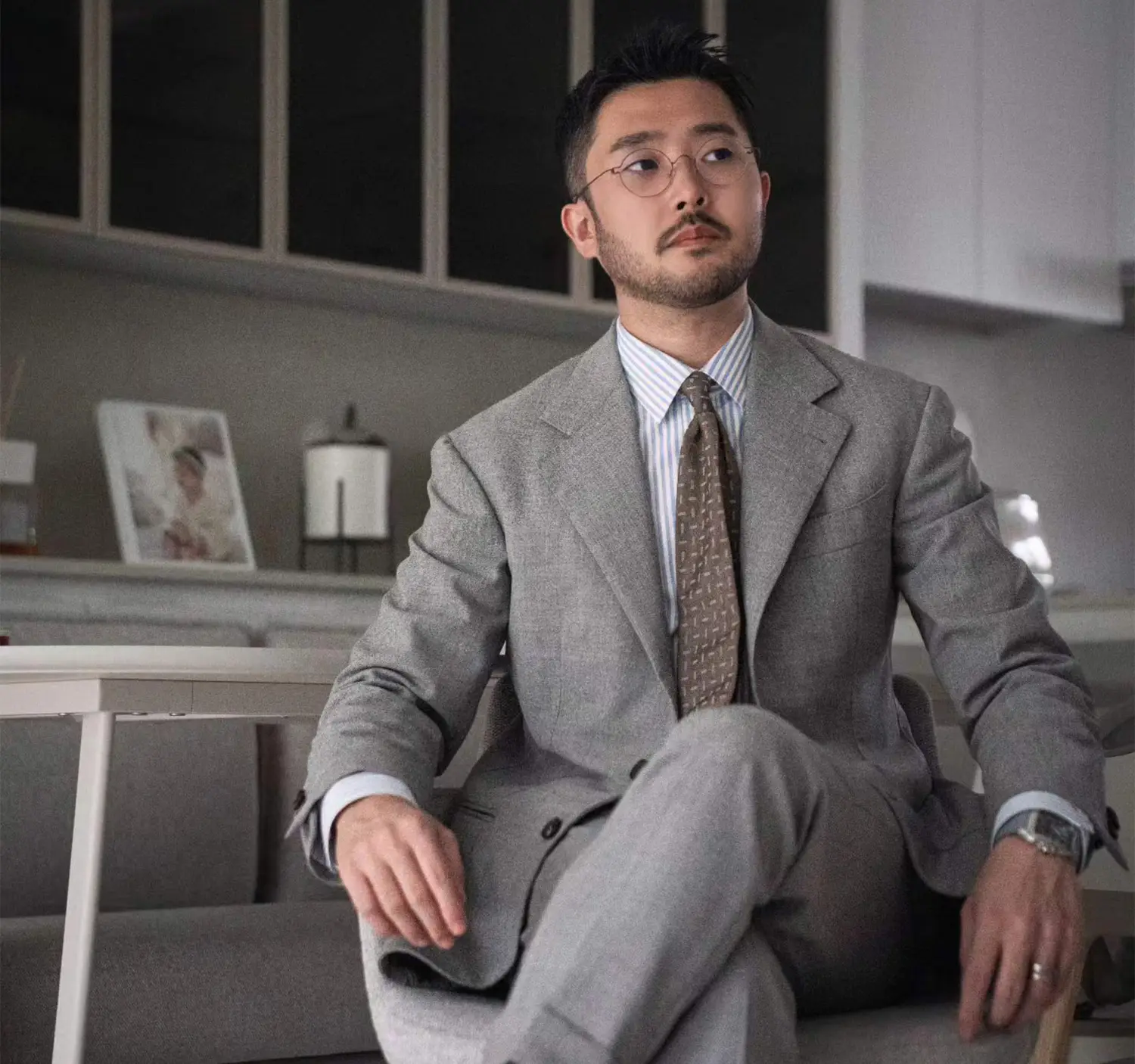
How to Dress Like a Successful Business Executive (2026 Guide)
Dressing like a successful business executive is not about wearing the most expensive suit or following every fashion trend. It is about building a disciplined, consistent, and intentional style that communicates confidence, competence, and authority.
In 2026, executive style has evolved toward quiet luxury, where subtle details, perfect fit, and high-quality materials matter far more than visible branding. Whether you’re in finance, law, consulting, tech leadership, or entrepreneurship, your appearance plays a direct role in how you are perceived in business environments.
This guide explains exactly how to dress like a successful executive—from suits and shoes to accessories, grooming, and wardrobe strategy—using a system that prioritizes long-term success over short-term fashion trends.
Why Executive Dressing Matters in Business
First impressions form in seconds. In professional environments, your appearance influences:
- Trust and credibility
- Leadership perception
- Client confidence
- Negotiation authority
- Career advancement opportunities
A well-dressed executive is often assumed to be more organized, detail-oriented, and capable—even before speaking.
Executive style is not vanity. It is visual communication.
The Core Philosophy of Executive Style
Successful executives follow three key principles:
1. Consistency Over Fashion Trends
Trends change every season. Executives rely on timeless style systems.
2. Quality Over Quantity
Fewer, better garments always outperform large wardrobes of low-quality items.
3. Subtle Luxury
True executive style avoids loud logos and focuses on craftsmanship.
Brands such as Brunello Cucinelli and Loro Piana represent this philosophy.
Step 1: Build the Executive Suit Foundation
A strong executive wardrobe starts with tailoring.
Essential Suits Every Executive Needs
Navy Suit
The most important suit in any wardrobe.
Best for:
- Meetings
- Presentations
- Interviews
- Client visits
Charcoal Suit
More formal and authoritative.
Best for:
- Boardrooms
- Corporate environments
- High-stakes meetings
Black Suit
Reserved for formal or evening settings.
Fabric Recommendation
- Wool (year-round standard)
- Wool-silk blends (luxury finish)
- Super 120–150s wool (premium category)
Tailoring excellence is strongly associated with brands like Zegna and Canali.
Step 2: Master Shirt Strategy
Shirts form the base layer of executive dressing.
Essential Shirt Colors
- White (must-have)
- Light blue (daily wear)
- Pale gray (modern alternative)
Fabric Choices
- 100% cotton poplin
- Twill (durable and smooth)
- Oxford cloth (business casual)
Fit Principles
- Slim but not tight
- Clean collar structure
- Proper sleeve length (show cuff under jacket)
Step 3: Build a Professional Shoe Rotation
Shoes are one of the most important indicators of executive style.
Essential Shoes
Black Oxford Shoes
For formal business settings.
Dark Brown Oxford Shoes
The most versatile executive shoe.
Loafers
Ideal for business casual environments.
Minimal Luxury Sneakers
For modern office cultures and travel.
Luxury shoemakers such as John Lobb and Edward Green are widely recognized for executive footwear.
Step 4: Master Executive Accessories
Accessories define refinement more than clothing alone.
Watches
A watch communicates discipline and status.
Popular categories:
- Dress watches (formal)
- Chronographs (versatile)
- Minimalist watches (quiet luxury)
Leading brands:
- Rolex
- Omega
- Patek Philippe
Belts
Rules:
- Match belt color to shoes
- Use full-grain leather
- Avoid oversized logos
Luxury brands:
- Ferragamo
- Gucci
Bags
Executive essentials:
- Leather briefcase
- Slim laptop bag
- Travel duffel
Premium brands:
- Hermès
- Louis Vuitton
Ties and Pocket Squares
- Silk ties (essential)
- Navy, burgundy, charcoal (core colors)
- Linen pocket squares (minimal styling)
Step 5: Outerwear for Executives
Outerwear completes the executive silhouette.
Essential Pieces
Navy Overcoat
Universal business outerwear.
Camel Coat
Luxury and sophistication.
Black Overcoat
Formal evening wear.
Luxury outerwear leaders include Brioni and Kiton.
Step 6: Executive Casual Dressing
Modern executives do not wear suits every day.
Smart Casual Formula
- Blazer or knit jacket
- Polo or fine shirt
- Tailored trousers
- Loafers or sneakers
Key Fabrics
- Cashmere
- Merino wool
- Lightweight cotton
Brands such as Brunello Cucinelli dominate this category.
Step 7: Grooming and Personal Presentation
Executive style is incomplete without grooming discipline.
Hair
- Clean, structured hairstyle
- Regular maintenance
Beard
- Either clean-shaven or well-trimmed
Fragrance
Subtle but consistent scent identity.
Popular houses:
- Dior
- Chanel
Step 8: Seasonal Executive Dressing
Spring
- Light wool suits
- Cotton shirts
- Lightweight blazers
Summer
- Linen blends
- Light colors
- Unlined jackets
Autumn
- Wool suits
- Cashmere layers
- Dark tones
Winter
- Heavy overcoats
- Cashmere knitwear
- Layered tailoring
Step 9: Building a Capsule Executive Wardrobe
A functional executive wardrobe includes:
Foundation
- 2–3 suits
- 5 shirts
- 2 pairs of shoes
Expansion
- Blazers
- Knitwear
- Accessories
Lifestyle
- Casual wear
- Travel outfits
- Weekend clothing
This structure ensures maximum flexibility with minimal clutter.
Step 10: Common Style Mistakes Executives Must Avoid
Wearing Ill-Fitting Clothing
Even luxury clothing looks poor without proper fit.
Overbranding
Too many logos reduce authority perception.
Ignoring Shoes
Shoes often define the entire outfit.
Trend Dependency
Executives rely on timeless style, not seasonal fashion.
Internal Linking Opportunities
Link this article to:
- How to Build a Premium Men’s Wardrobe
- Premium Business Suits for Modern Professionals
- Best Luxury Dress Shoes for Business Professionals
- Premium Men’s Accessories for Executive Style
- Top Luxury Fashion Brands Worth Investing In
- The Ultimate Guide to Custom Tailored Suits
- Luxury Fashion Shopping Guide for Professionals
External Resources
- https://www.zegna.com
- https://www.canali.com
- https://www.brioni.com
- https://www.kiton.com
- https://www.loropiana.com
- https://www.brunellocucinelli.com
- https://www.rolex.com
- https://www.hermes.com
- https://www.louisvuitton.com
- https://www.gq.com
- https://www.esquire.com
Conclusion
Dressing like a successful business executive is about more than clothing—it is about building a consistent identity that communicates authority, discipline, and refinement. By focusing on fit, quality materials, timeless tailoring, and subtle luxury, any professional can elevate their presence in business environments.
The most successful executives in 2026 understand that style is a strategic asset. When built correctly, an executive wardrobe becomes a powerful tool for confidence, influence, and long-term career success.